Business Plan: Acquisition and Renovation of Hotel Fortuna Surabaya by PT Stercoll Energi Asia
1. Executive Summary
PT Stercoll Energi Asia, an energy sector company with operations in Indonesia and international networks, plans to diversify into the hospitality and tourism education sector through the acquisition and renovation of Hotel Fortuna in Surabaya.
The project involves purchasing the existing 2-star hotel (approximately 102–108 rooms) on Jl. Darmo Kali No. 25-27, adding up to 36 rooms on the 5th floor (total capacity: ~138–144 rooms), and converting the property into a modern commercial hotel with an integrated Hospitality & Religious Tourism Training Center on the 5th floor.
The training center will offer internationally accredited programs with a strong focus on skills for Umrah and Hajj personnel (tour leaders, religious guides, Syariah-compliant hospitality staff, and group management for pilgrims).
This hybrid model combines room revenue with high-margin training fees, leveraging Surabaya’s strategic position as a major departure hub for pilgrims from East Java and Indonesia’s status as the world’s largest contributor of Hajj/Umrah pilgrims (approximately 221,000 Hajj and 1.5 million Umrah annually).
Projected Investment: IDR 85–120 billion (including acquisition, renovation, and initial setup).
Expected Break-even: 24–36 months.
Key Differentiator: Unique integration of commercial hospitality with specialized religious tourism training, targeting both regular guests and pilgrim groups while addressing the growing demand for professional Umrah/Hajj service providers.
2. Company Background
PT Stercoll Energi Asia (part of Stercoll Energy Services) focuses on oil services, strategic advisory, and sustainable energy solutions. The company has a presence in Jakarta and an existing small hostel on Jalan Raya Darmo Kali, Surabaya. This hostel provides immediate operational synergy and local market knowledge. Diversification into hospitality aligns with Stercoll’s broader vision of sustainable development and human capital investment in Indonesia.
3. Market Analysis
- Hotel Market in Surabaya: The city’s hotel room occupancy rate (TPK) fluctuates around 45–53% in recent periods (e.g., 49.6% in mid-2025, 44–53% in early 2026). Darmo area is well-located near Bungkul Park, business districts, and transportation links, supporting steady demand from business travelers, tourists, and transit guests.
- Religious Tourism Segment: Indonesia dominates global Hajj/Umrah flows. Demand for trained personnel (certified guides, tour leaders, and Syariah hospitality staff) is rising due to stricter regulations, competition among PPIU/PIHK operators, and the new Ministry of Hajj and Umrah. Training programs with international accreditation are scarce, creating a strong opportunity for a dedicated center focused on practical skills (hospitality for pilgrims, group management, faith-based services).
- Training Market: Growing interest in Halal tourism and specialized Umrah/Hajj management. Potential partnerships with BNSP, BPJPH, international bodies (e.g., hospitality institutes), and local institutions (NU, universities) can provide dual certification (national + international).
- Competitive Advantage: Few hotels combine accommodation with accredited training. The existing Stercoll hostel allows phased operations and cross-selling (e.g., overflow rooms or packages for training participants).
Target Markets:
- Regular hotel guests (business, leisure, transit).
- Umrah/Hajj groups and travel agencies needing accommodation + staff training.
- Individuals and companies seeking certified courses in religious tourism hospitality.
4. Property Description and Development Plan
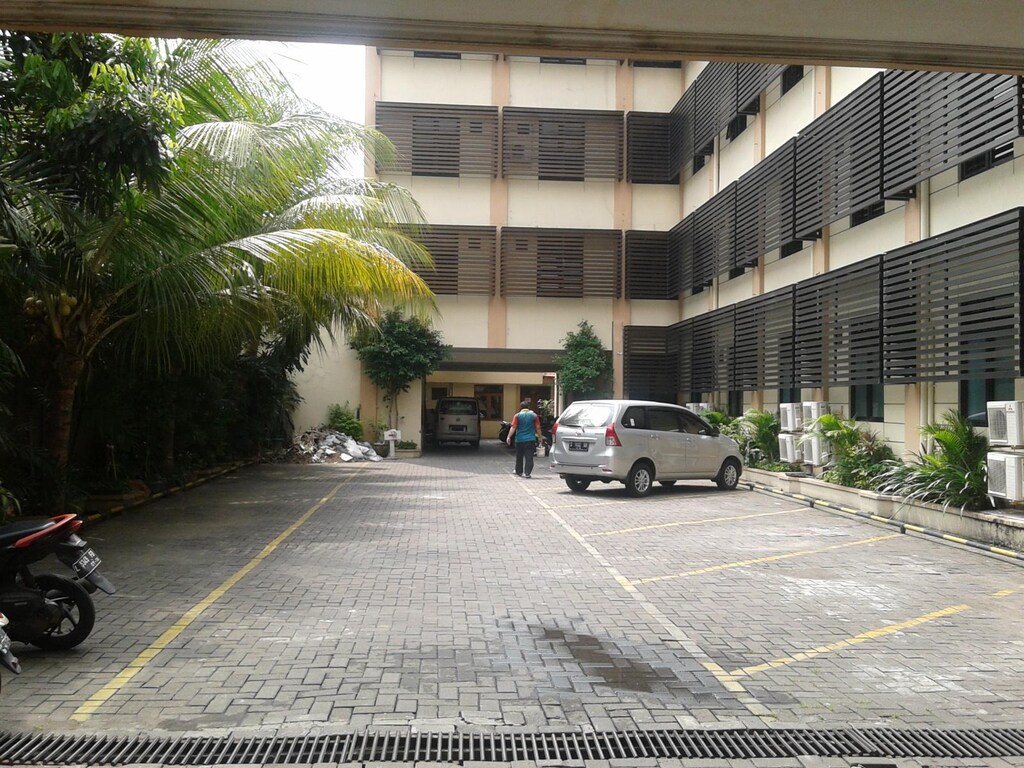
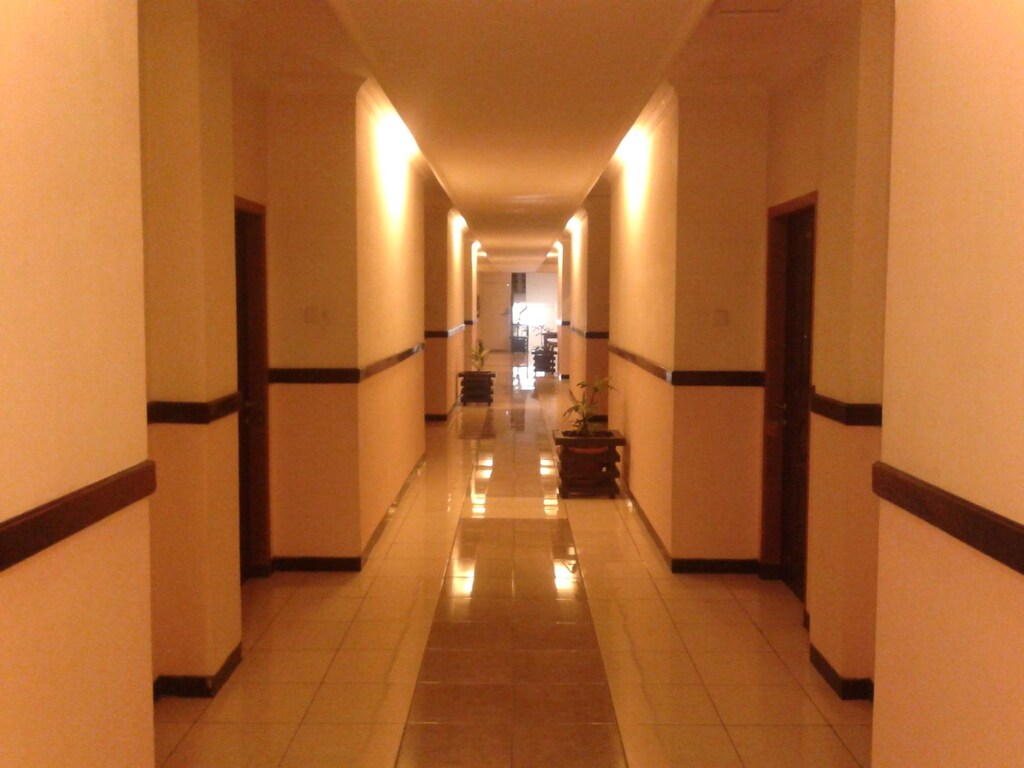
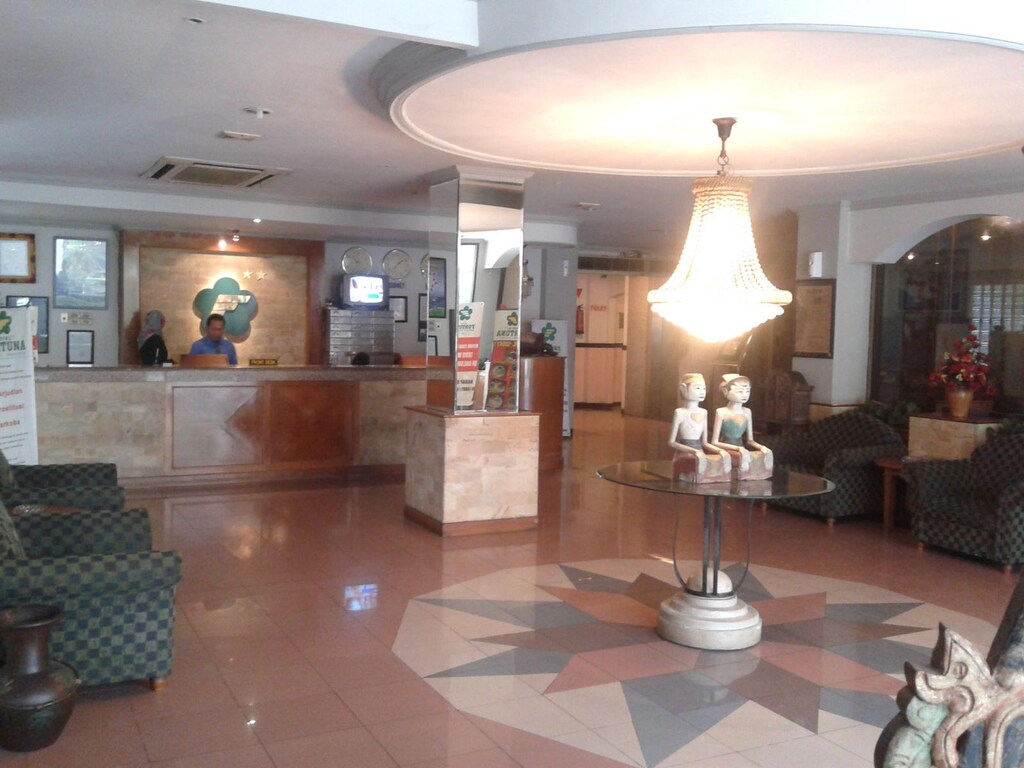
- Current Asset: Hotel Fortuna – land ~2,400 m², building ~5,000–6,000 m², 4 floors, 102–108 rooms. Simple 2-star facility with good location.
- Renovation Scope:
- Full upgrade of existing rooms, lobby, restaurant, musholla, and public areas to mid-scale standards (modern, clean, Syariah-friendly features like prayer facilities and Halal kitchen).
- Construction/addition of up to 36 rooms on the 5th floor.
- Dedicated 5th floor Training Center: classrooms, simulation rooms (hotel lab/practical hospitality), meeting spaces, and administrative offices.
- Phased Approach:
- Acquisition and initial assessment (3–6 months).
- Renovation (9–12 months) while operating the existing hostel.
- Soft launch of hotel + training center.
Total Capacity Post-Renovation: 138–144 rooms + training facilities.
5. Products and Services
- Accommodation: Mid-scale rooms (standard, superior, deluxe) with competitive rates. Packages for pilgrim groups.
- Training Programs (5th floor):
- Short courses (1–4 weeks): Umrah/Hajj Tour Leader, Syariah Hospitality, Pilgrim Group Management.
- Certified programs with international accreditation (partnerships with global hospitality institutes or Halal tourism bodies).
- Practical modules: role-playing, simulations, field visits.
- Target: 200–500 trainees per year initially, scaling up.
- Additional Revenue Streams: Event/meeting spaces, F&B (Halal), parking, and cross-selling with the existing hostel.
6. Marketing and Sales Strategy
- Positioning: “Modern Hospitality with Purpose” – professional accommodation + expert training for religious tourism.
- Channels:
- Online (OTAs, website, social media targeting travel agents and Muslim communities).
- B2B partnerships with Umrah/Hajj operators (PPIU), airlines, and religious organizations in East Java.
- Corporate contracts for training (travel agencies, hotels adopting Syariah standards).
- Leverage Stercoll’s international network for foreign accreditation and marketing.
- Pricing: Competitive room rates (IDR 400,000–800,000/night post-renovation). Training fees: IDR 5–15 million per program depending on duration and certification.
7. Operations Plan
- Management: Hire experienced hotel GM and training director. Integrate with existing hostel team for efficiency.
- Staffing: Initial 40–60 employees (hotel operations + trainers). Focus on local hires with training for Syariah hospitality.
- Partnerships: Collaborate with BNSP, BPJPH, international accreditation bodies, and universities for program credibility.
- Technology: Property management system (PMS), online booking, and training management software.
8. Financial Projections (Estimates – subject to detailed due diligence)
Investment Breakdown (approximate, in IDR billion):
- Acquisition of Hotel Fortuna: 35–55 (based on comparable Surabaya hotel listings in the IDR 45–60 billion range for similar assets).
- Renovation & 5th floor addition (138 rooms + training facilities): 40–55 (mid-scale renovation ~IDR 150–300 million per room equivalent, adjusted for Indonesia costs; includes construction, FF&E, and training setup).
- Working capital, marketing, accreditation, and contingencies: 10–15.
- Total: IDR 85–125 billion.
Revenue Streams (Year 1–3 projections, assuming 50–65% occupancy and gradual training ramp-up):
- Room revenue: Primary driver.
- Training fees: High-margin secondary stream (potentially 30–40% of total revenue by Year 3).
- Other (F&B, events): 10–15%.
Projected Financials (rough):
- Year 1: Revenue IDR 15–25 billion, operating at partial capacity during renovation.
- Year 2: Revenue IDR 35–50 billion, break-even point.
- Year 3+: Revenue IDR 55–80 billion, with strong margins from training.
- ROI: Attractive due to dual revenue model and growing religious tourism demand.
Note: These are high-level estimates based on market data. A full feasibility study with local consultants, architect, and accountant is strongly recommended for accurate costing and financing.
9. Risk Analysis and Mitigation
- Risks: Fluctuating hotel occupancy, regulatory changes in pilgrimage sector, construction delays, competition.
- Mitigation: Phased renovation, strong partnerships for accreditation, diversified revenue (hotel + training), and leveraging Stercoll’s financial strength from energy operations.
- Legal/Regulatory: Ensure proper permits for hotel operation, training center (LA-LPK accreditation), and Halal/Syariah compliance.
10. Implementation Timeline
- Month 1–3: Due diligence, negotiation, acquisition.
- Month 4–15: Design, permitting, renovation & construction.
- Month 16: Soft opening of renovated hotel.
- Month 18: Full launch of Training Center with first cohorts.
This business plan positions Stercoll Energi Asia as an innovative player combining commercial hospitality with meaningful contributions to Indonesia’s religious tourism human capital development. The project has strong potential for profitability while supporting national priorities in pilgrimage services and Halal tourism.
Next Steps :
- Engage a professional valuer and hospitality consultant for detailed due diligence on Hotel Fortuna.
- Conduct market survey for training demand and pricing.
- Explore financing options (bank loans, investors, or internal Stercoll funding).
- Initiate discussions with potential accreditation partners.